


We hear a lot about sustainable tourism, but do you really know what it means? And why is this concept so important for a region like Setúbal?
In a world where travel is increasingly accessible, the way we choose to explore a destination makes all the difference: for the environment, for local communities, and for the quality of our own experience. For this reason, we explain what sustainable tourism is, why it is essential for the Setúbal region, and how Rotas do Sal has been putting it into practice for over 20 years.
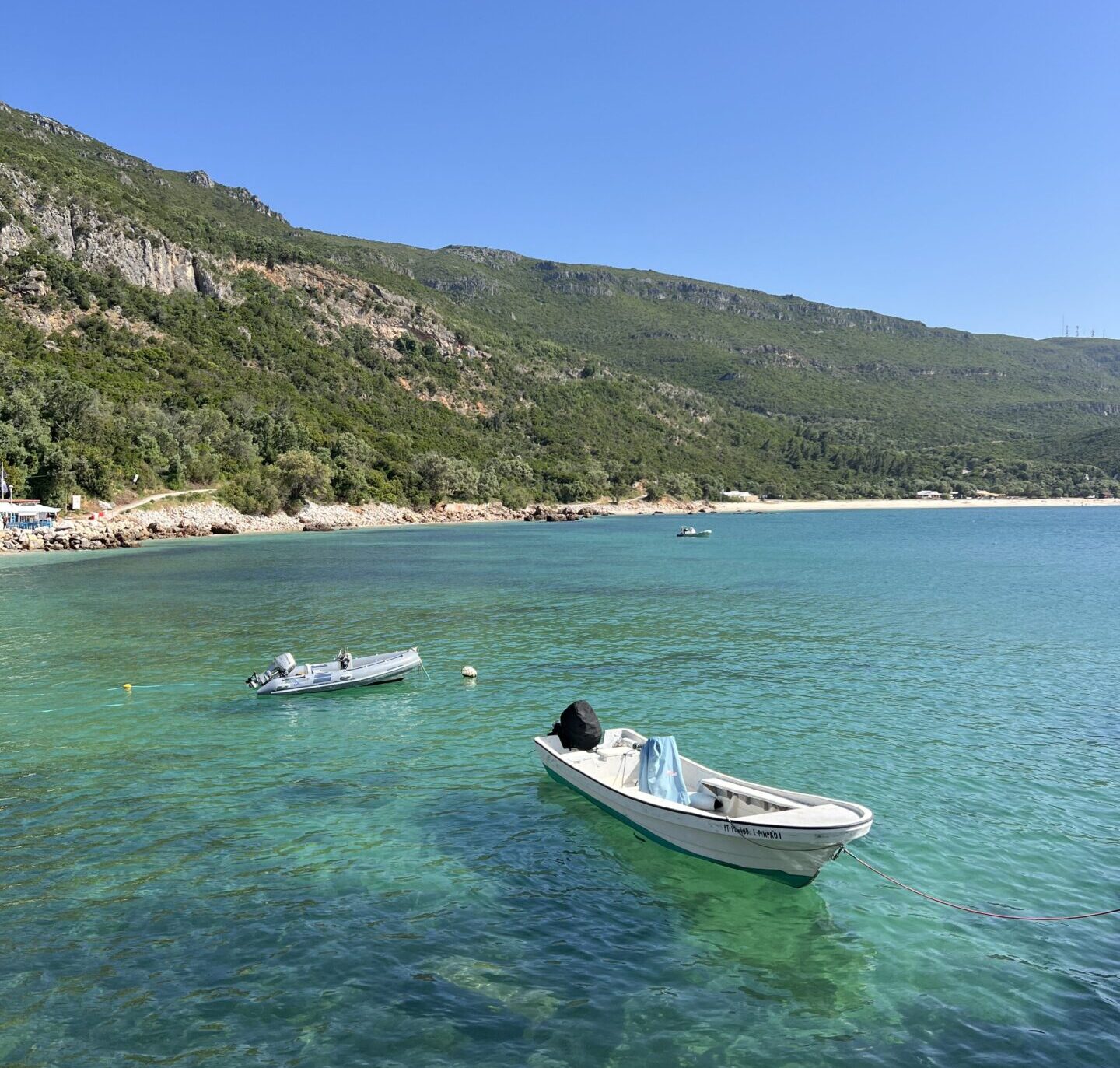
Sustainable tourism is a way of traveling that seeks to balance three fundamental pillars:
1. Environmental – minimizing negative impacts on ecosystems, biodiversity, and natural resources.
2. Social – respecting and valuing local communities, their culture, and their way of life.
3. Economic – generating lasting economic benefits for the region without compromising its future.
In practice, this means making conscious choices: choosing tour operators who respect nature, avoiding activities that disturb wildlife, supporting local businesses, and leaving each destination as beautiful as we found it.
Why is sustainable tourism important in Setúbal?
Setúbal is no ordinary destination. This region is home to two natural treasures of incalculable value: the Arrábida Natural Park and the Sado Estuary Nature Reserve. Both are protected areas with fragile ecosystems that depend on a balance between human activity and conservation.
The Sado Estuary is one of Portugal’s most important wetlands. It is home to a resident community of bottlenose dolphins, one of the few groups of this species to live permanently in an estuary in Europe. This ecosystem is also home to thousands of migratory birds, fish, and aquatic plants that depend on water quality and a peaceful environment.
If tourism is not conducted responsibly, the impact can be devastating: excessive noise, pollution, disturbance to wildlife, and habitat degradation.
Just a few kilometers from the estuary, the Serra da Arrábida is a unique Mediterranean landscape, home to rare plant species and a biodiversity that deserves protection. The increase in the number of visitors, especially during the high season, requires careful management to prevent trail erosion, forest fires, and pressure on local wildlife.
This is why sustainable tourism in Setúbal is not an option, but a necessity.
For over 20 years, Rotas do Sal has been dedicated to showcasing the best of Setúbal in a responsible way. Our mission is to provide unforgettable experiences without compromising the region’s future. How?
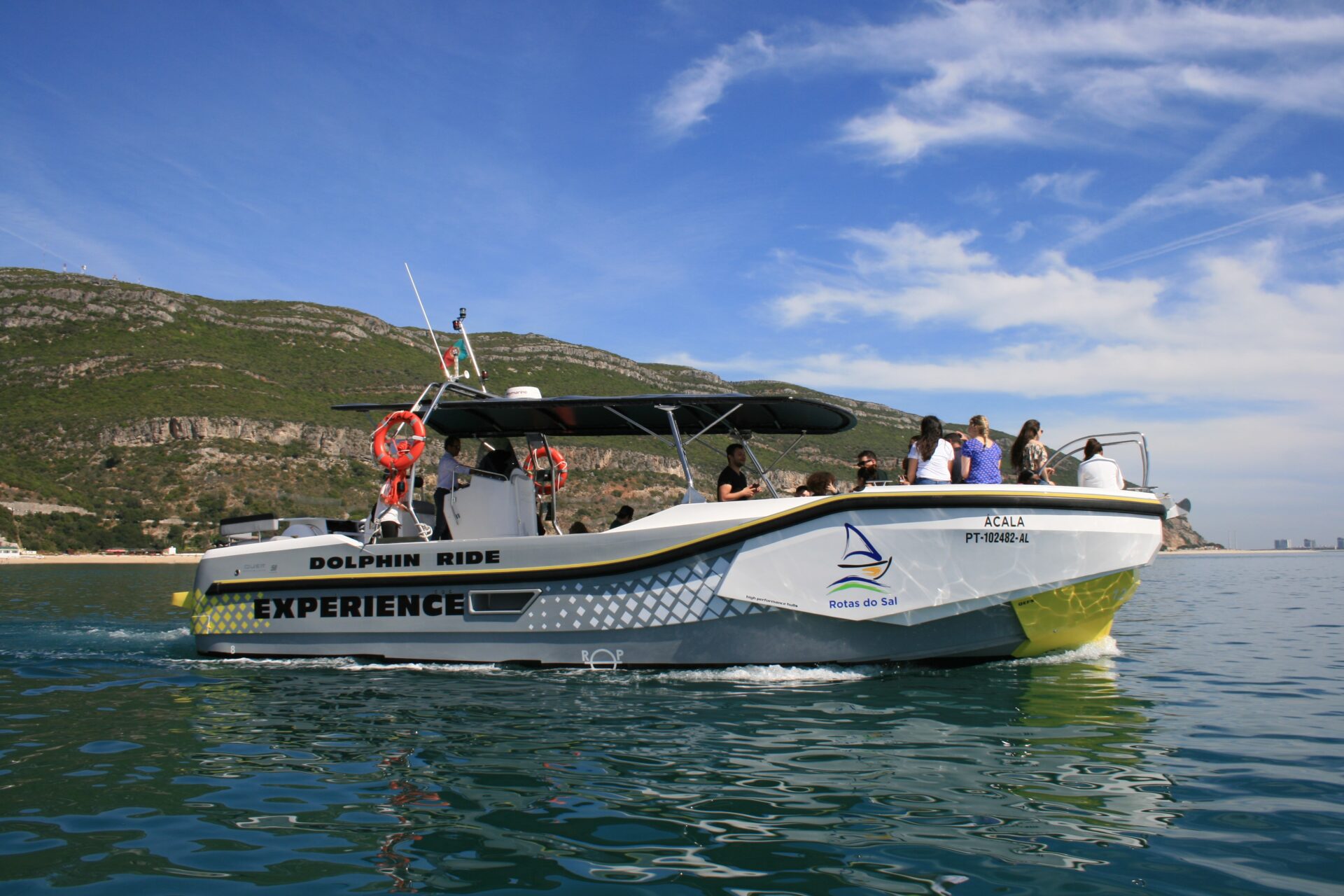
On our dolphin-watching boat tours, we strictly follow the Nature Reserve’s guidelines: controlled approach, reduced speed, a maximum number of boats per group, and a limited observation time. Our guides are trained to interpret the animals’ behavior and ensure that the experience is positive for everyone (including the dolphins).
Our hikes in Arrábida are led by specialized guides who explain the park’s geology, flora, and fauna. We use existing trails, leave no trash behind, and take each group with a limited number of participants to minimize our impact. The same applies to our mountain tours, conducted in a 100% electric van with the aim of minimizing our carbon footprint.
This ongoing effort has not gone unnoticed and has been recognized by independent organizations. For the second consecutive year, one of our vessels has been awarded the Blue Flag certification, one of the most important environmental quality certifications in maritime tourism. This award evaluates criteria such as environmental management, safety, and public information.
With over two decades of experience, we know the Sado and Arrábida regions like few others. And this knowledge allows us to offer sustainable activities in Setúbal that truly make a difference—both for visitors and for those who live here.
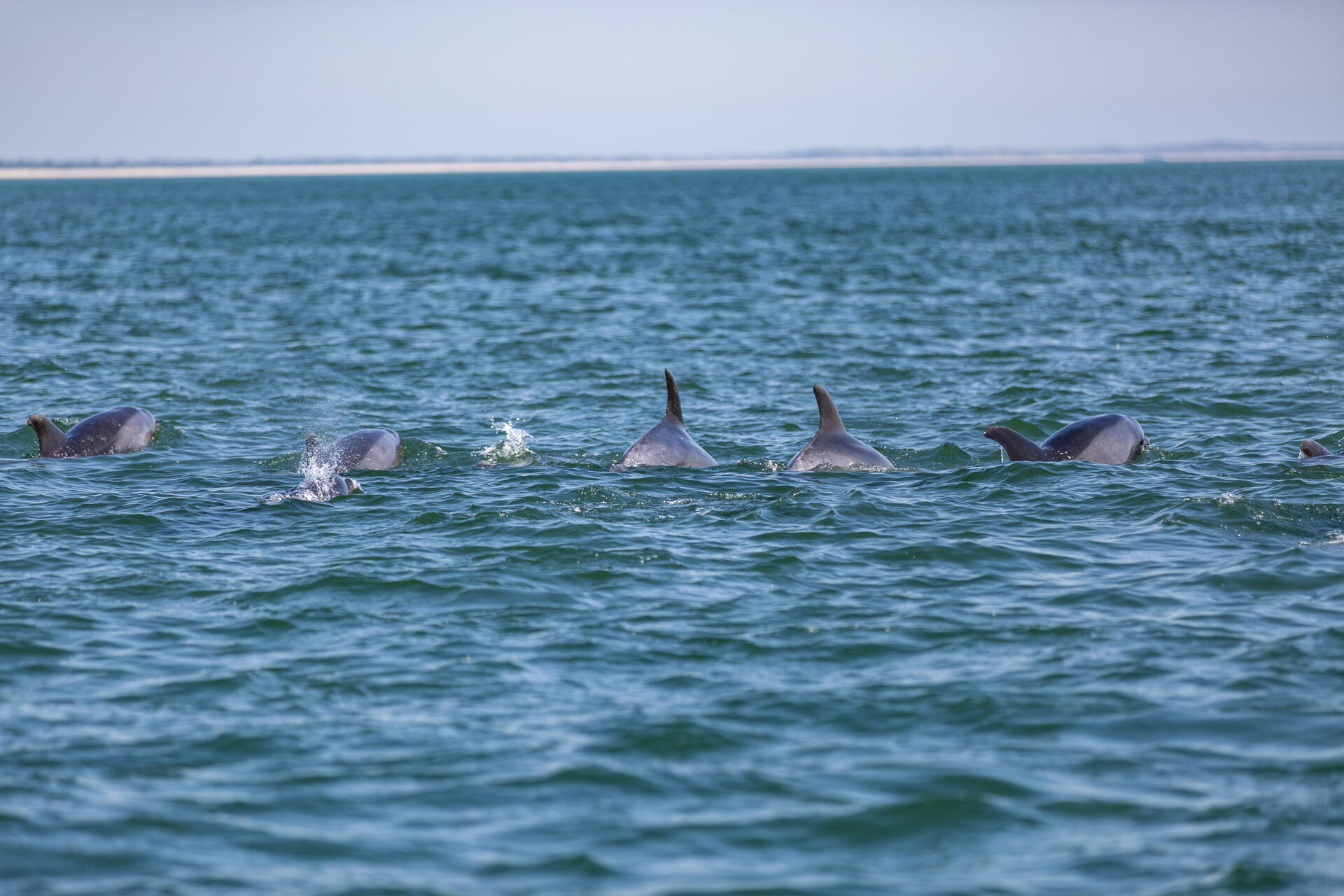
If you’re planning a visit to Setúbal, here are some tips for traveling more responsibly:
– Choose certified operators – opt for companies with environmental certifications or recognized best practices.
– Keep your distance from animals – never try to touch or feed dolphins or other species.
– Take your trash with you – especially on the beaches and trails of Arrábida.
– Support local businesses – shop at the Livramento Market, eat at local restaurants, and stay at local accommodations.
– Travel outside the peak season – if possible, visit Setúbal in the spring or fall. The experience is more peaceful and the impact is less.
Sustainable tourism in Setúbal is more than just a trend; it is the only way to ensure that future generations can continue to admire the dolphins of the Sado, the freshness of the Arrábida, and the authenticity of Setúbal’s culture.
At Rotas do Sal, we believe that traveling well means traveling with respect. Discover Setúbal with us! Slowly, mindfully, and with all the wonder this region deserves.